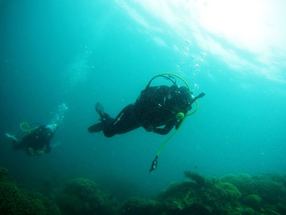
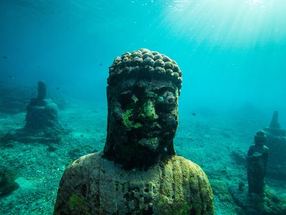
Scuba diving in Chile is highly seasonal and strongly influenced by the Humboldt Current and regional climate patterns. Because most dive sites involve cold-water conditions, trip timing plays a significant role in comfort and visibility.
The austral summer, from December through March, is generally considered the best time to dive mainland Chile. During these months, air temperatures are warmer, sea conditions are more stable, and water temperatures typically range from 14 to 18°C (57 to 64°F) in central regions. Visibility can improve during calmer weather windows, though it remains variable.
From April through November, water temperatures drop further, often ranging from 10 to 14°C (50 to 57°F), particularly in central and southern regions. Surface conditions may become less predictable, and dive activity decreases outside peak summer months. Drysuits are commonly required during these cooler periods.
The Juan Fernández Archipelago follows similar seasonal patterns, with summer offering the most stable sea conditions and improved access for dive operations.
Easter Island (Rapa Nui), located much farther west in the Pacific, experiences milder temperature variation. Water temperatures typically range from 20 to 25°C (68 to 77°F) year-round, with good visibility in stable conditions. Diving is possible throughout the year, though austral summer remains the most predictable period.
Unlike tropical destinations driven by major wildlife migrations, Chile’s diving season is primarily determined by sea state and water temperature rather than specific marine life events.
Overall, the most favorable time to dive mainland Chile is during the austral summer, while Easter Island offers relatively stable conditions across most of the year.