Marine life in the Solomon Islands is among the most diverse in the South Pacific. Located within the Coral Triangle’s broader influence zone, the country supports a wide range of reef species, healthy coral systems, and consistent pelagic activity. Due to relatively low dive tourism and limited industrial pressure, many reefs remain in strong ecological condition.
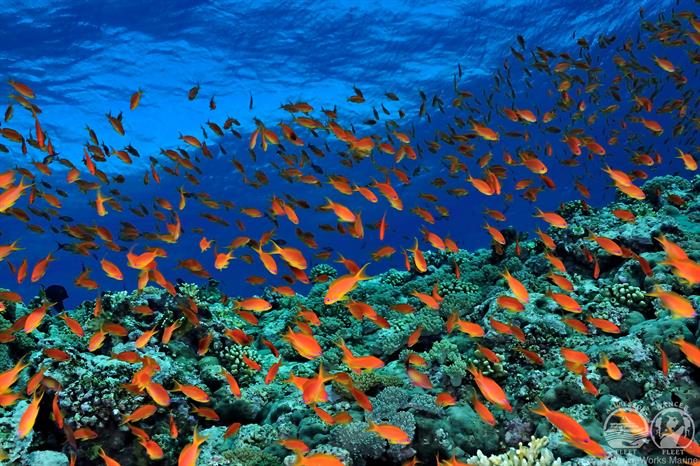
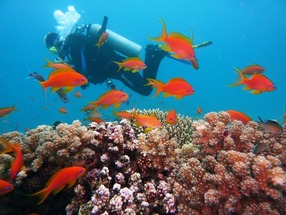
Coral formations include extensive hard coral gardens, table corals, soft corals, and large sea fans. Reef fish density is typically high, with frequent sightings of angelfish, butterflyfish, surgeonfish, parrotfish, groupers, and snappers. Schools of fusiliers and jacks are common along reef slopes and in current-exposed channels.
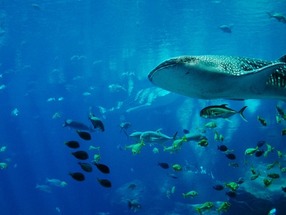
Pelagic species are regularly encountered on outer reef dives. Grey reef sharks, blacktip reef sharks, and whitetip reef sharks are all present, particularly in areas with stronger currents. Barracuda, tuna, and giant trevally are common in deeper water, and manta rays are occasionally sighted depending on location and season.
The Solomon Islands are also recognized for macro biodiversity. Nudibranchs, pygmy seahorses, shrimp, and other small reef organisms can be found across many dive sites, particularly in areas with mixed coral and rubble habitats. This balance between macro life and larger pelagics makes the destination appealing to a wide range of underwater photographers.
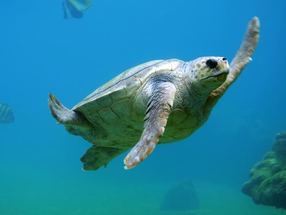
Sea turtles are common across reef systems, and eagle rays may be encountered along sandy channels and drop-offs. Overall, marine life in the Solomon Islands combines Coral Triangle-level biodiversity with the added advantage of low dive traffic and relatively intact reef systems.