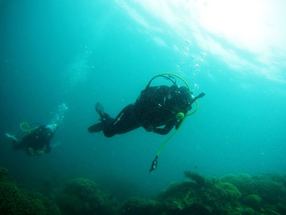
Marine life in Tunisia reflects a temperate Mediterranean ecosystem rather than a tropical coral environment. Biodiversity is moderate, with rocky reef structures, seagrass meadows, and artificial reefs supporting a range of regional fish and invertebrate species. Tunisia is not positioned as a high-density marine hotspot, but it offers representative Mediterranean underwater life in relatively low-traffic conditions.
Common reef species include sea bream, groupers, wrasse, damselfish, and schools of smaller coastal fish moving across rocky outcrops. Octopus and cuttlefish are frequently encountered, particularly in warmer months, along with moray eels hiding within crevices and reef gaps.
Seagrass areas provide habitat for smaller species and juvenile fish, while sandy patches may reveal rays and bottom-dwelling organisms. Lobsters, sea urchins, and Mediterranean nudibranch species are present, offering interest for divers who enjoy slower-paced exploration.
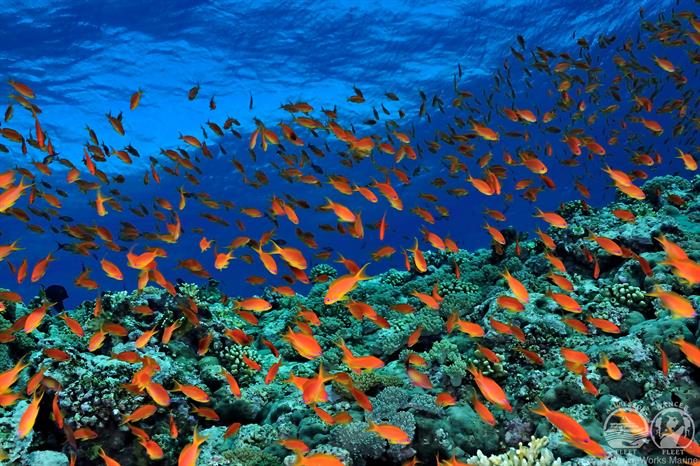
Compared to nearby Red Sea destinations, Tunisia does not offer extensive coral reefs or large pelagic aggregations. Shark encounters are rare, and marine life density is more subdued. However, the relatively low dive traffic means many sites feel undisturbed and natural.
Overall, marine life in Tunisia is best appreciated as part of a broader Mediterranean experience rather than as a standalone megafauna or coral destination.