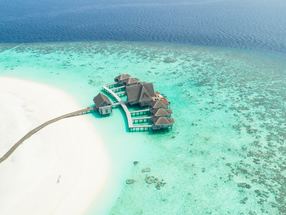
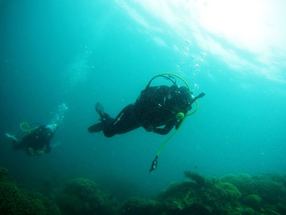
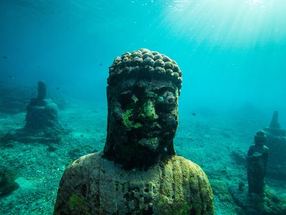
Marine life in the Marshall Islands reflects a relatively undisturbed central Pacific ecosystem shaped by expansive lagoon systems and outer reef drop-offs. Due to low tourism density and limited coastal development, many reef environments remain in healthy condition, particularly around less populated atolls.
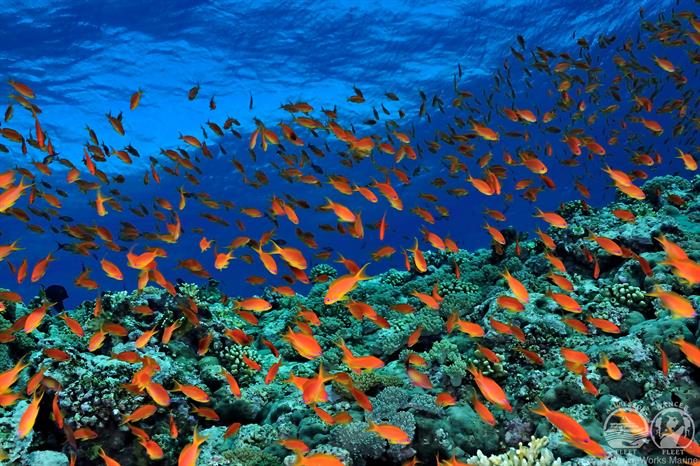
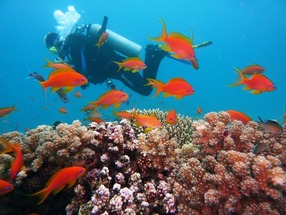
Reef systems support a broad range of Indo-Pacific species. Divers commonly encounter angelfish, butterflyfish, surgeonfish, parrotfish, snappers, and groupers across coral slopes and bommie formations. Hard corals dominate many areas, with table corals, branching corals, and large coral heads providing habitat for reef-associated species.
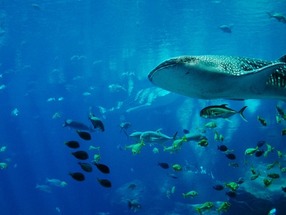
Outer reef slopes and passes may offer pelagic activity depending on current strength. Grey reef sharks, blacktip reef sharks, and whitetip reef sharks are present, though not typically in the large aggregations seen in certain Coral Triangle destinations. Barracuda, tuna, and trevally may patrol deeper water, especially near drop-offs and channel entrances.
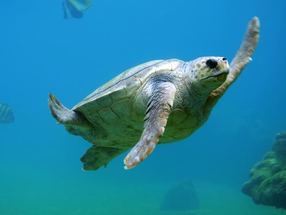
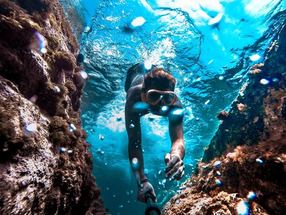
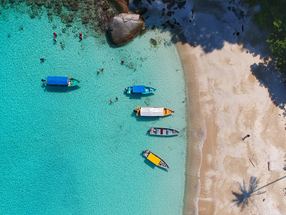
Lagoon environments often feature calmer conditions and a mix of juvenile reef fish, rays, and occasional turtles. In atolls with historical wreck sites, artificial structures have become established habitats for reef life, attracting schooling fish, encrusting corals, and invertebrates over time.
While the Marshall Islands are globally recognized for technical wreck diving at Bikini Atoll, marine life outside these wrecks provides balanced reef biodiversity rather than single-species megafauna events. The overall underwater experience emphasizes scale, open-water clarity, and natural reef structure in a remote Pacific setting.