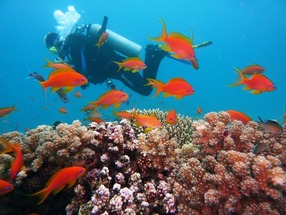
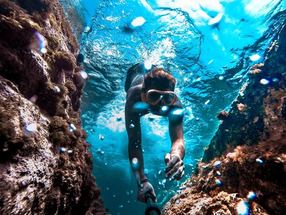
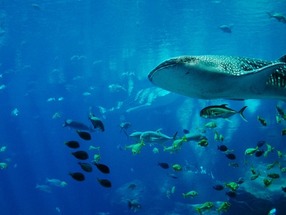
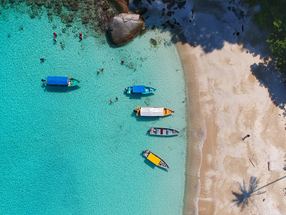
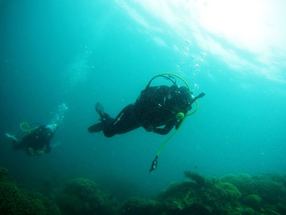
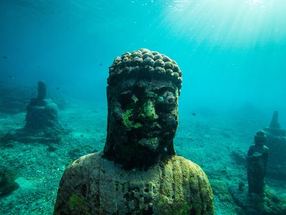
Scuba diving in American Samoa is centered around pristine reefs, dramatic drop-offs, and volcanic underwater terrain. Many dive sites are located within protected marine areas, offering healthy coral, strong biodiversity, and minimal diver traffic. Diving conditions and site selection tend to favor confident recreational and experienced divers, although some calmer locations are suitable for beginners.
Best Dive Spots for Experienced Divers
Fagatele Bay National Marine Sanctuary is the most famous dive site in American Samoa and one of the most pristine marine environments in the Pacific. The bay features steep walls, volcanic rock formations, and deep drop-offs that attract reef sharks, large groupers, and schooling fish. Strong currents can occur, making this site best suited for experienced divers.
Steps Point offers dramatic wall diving and rugged underwater terrain. The site drops quickly into deep water and is known for excellent visibility and frequent encounters with sharks, rays, and pelagic fish. The combination of depth and exposure makes it a rewarding dive for advanced divers.
Ta’u Island, part of the Manu‘a Islands, provides some of the most remote and untouched diving in American Samoa. The underwater landscape includes lava flows, pinnacles, and steep reef slopes. Due to its isolation and variable conditions, diving here is recommended for experienced divers seeking exploration and pristine environments.
Best Dive Spots for Beginners
Pago Pago Harbor offers more sheltered dive sites with calmer conditions and easier navigation. While visibility can vary, these sites provide gentle slopes, coral patches, and abundant reef fish, making them suitable for beginner divers and training dives.
Alega Beach features shallow reefs and sandy bottoms with relatively mild conditions. The area is well suited for beginner and newly certified divers looking for relaxed dives with good marine life and manageable depths.
Ofu Beach, when conditions are calm, offers clear water, shallow coral gardens, and minimal current. These factors make it one of the more beginner-friendly sites in American Samoa, while still showcasing vibrant coral and reef fish.