Marine life in St. Vincent and the Grenadines is notably diverse for the eastern Caribbean, with a strong reputation for macro photography and critter-focused diving. Volcanic sand slopes, rocky outcrops, and reef edges create microhabitats that support species less commonly seen on typical Caribbean coral reefs.
St. Vincent itself is particularly known for small and unusual marine life. Frogfish, seahorses, batfish, nudibranchs, octopus, and a variety of shrimp and crab species are frequently encountered on black-sand and rubble dive sites. These environments attract underwater photographers seeking subjects beyond standard reef fish.
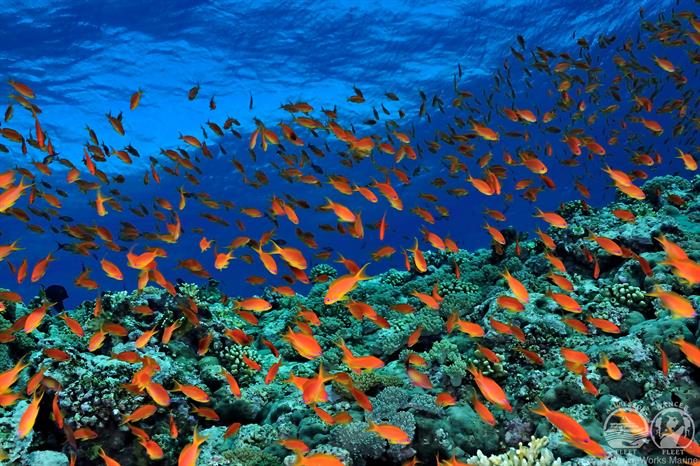
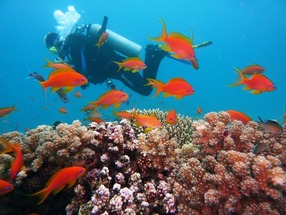
Reef systems support typical Caribbean biodiversity, including angelfish, butterflyfish, parrotfish, trumpetfish, and groupers. Moray eels and lobsters inhabit rocky crevices, while sandy channels may reveal southern stingrays and other bottom-dwelling species.
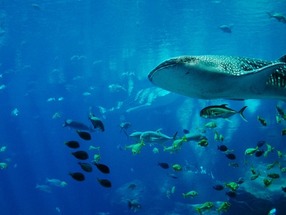
The Grenadine islands offer a slightly different marine profile. Reef slopes and drift sites can produce schools of jacks, barracuda, and larger reef fish depending on current conditions. While shark sightings are not common, nurse sharks and occasional reef sharks may be observed.
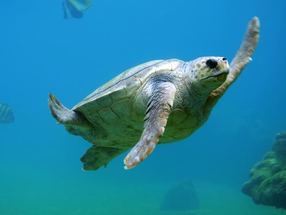
Sea turtles are regularly encountered throughout the region, particularly in seagrass areas and protected reef zones. Overall marine life density is balanced rather than extreme, but the variety of small critters around St. Vincent sets the destination apart within the Caribbean.