Marine life in Tuvalu reflects a relatively undisturbed central Pacific reef ecosystem. Due to the country’s low population, limited industrial activity, and minimal dive tourism, coral reefs around the atolls remain largely natural in character. Biodiversity is consistent with tropical Indo-Pacific environments, though encounters are shaped more by ecosystem balance than by high-density pelagic action.
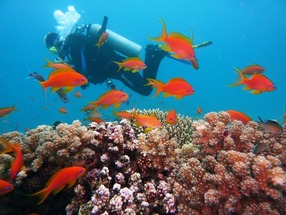
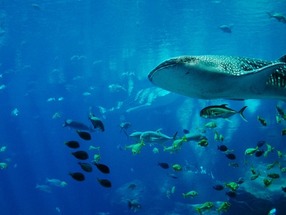
Reef fish communities include angelfish, butterflyfish, surgeonfish, parrotfish, triggerfish, and groupers moving across coral slopes and lagoon reefs. Schools of fusiliers and snappers are common along outer reef edges, particularly where currents bring nutrients from deeper water. Moray eels, octopus, and reef crabs are frequently found within coral formations and rocky crevices.
Shark sightings are possible, particularly on outer reef slopes where grey reef sharks and blacktip reef sharks may patrol. However, Tuvalu is not widely recognized for large shark aggregations, and sightings depend heavily on local conditions and fishing pressure. Eagle rays and occasional larger pelagic species may pass through deeper channels.
Lagoon environments support calmer reef ecosystems, often with juvenile fish species and smaller reef inhabitants. Coral structures typically include hard coral bommies, branching corals, and sea fans, providing habitat for a range of reef organisms.
Overall, marine life in Tuvalu emphasizes natural reef health and quiet underwater environments rather than headline megafauna. The experience is defined by isolation, ecological balance, and the absence of heavy dive traffic.